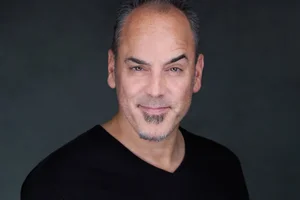
How Facial Expression Coaching Shapes First Impressions in Professional Headshots

First impressions are formed faster than most people realize.
Before someone reads a title, scans a résumé, or clicks a profile, they’ve already made quiet assessments:
Does this person feel confident?
Do they seem approachable?
Do they feel credible?
Do I trust them?
A professional headshot answers those questions instantly; whether we intend it to or not.
The Real Issue Isn’t How You Look. It’s What Reads.
Most professionals assume first impressions come down to how attractive, polished, or “camera-ready” they appear.
In reality, perception is shaped by something more subtle: facial expression and presence.
Two people can wear the same outfit, stand in the same light, and use the same background; yet create completely different impressions.
What changes is not appearance. It’s how confidence, approachability, and presence read on camera.
Why This Matters So Much for Professionals
Professionals operate in environments where perception matters:
Leadership visibility
Career transitions
Client trust
Team confidence
And yet, most have never been coached on how their expression translates visually. Instead, they’re told to:
Smile naturally
Relax
“Just be yourself”
Without guidance, that well-meaning advice often results in expressions that feel:
Tense
Over-controlled
Guarded
Disconnected
The camera doesn’t capture intention. It captures what’s actually happening in the moment.
How Facial Expression Coaching Changes What Others See
Facial expression coaching isn’t about telling someone how to smile. It’s about helping the traits people value most register naturally. Here’s what shifts when coaching is present:
Confidence becomes visible
Not through intensity or force, but through calm, settled eyes and grounded posture.
Approachability feels genuine
Rather than over-smiling or appearing overly casual, expression softens in a way that feels open and trustworthy.
Presence replaces performance
The subject stops trying to “look right” and starts simply showing up.
This is why facial expression coaching focuses on how traits read, not how faces are posed. If you want a deeper understanding of how this works in practice, this approach is outlined in more detail in our article on facial expression coaching for professional headshots.
Why People Are Often Surprised by Their Own Images
One of the most common reactions during a coached session is quiet surprise. Clients look at an image and say:
“That actually feels like me.”
They’re not reacting to polish. They’re reacting to recognition.
Most people are used to seeing themselves tense or guarded in photos. Seeing themselves calm, present, and confident can feel unfamiliar; even though that’s how others experience them every day.
Coaching helps bridge that gap.
How This Connects to a Structured Headshot Experience
Strong first impressions don’t happen by accident. They come from a process designed to:
Reduce uncertainty
Provide real-time guidance
Allow expression to settle naturally
Keep the experience collaborative, not performative
That structure is built into every individual headshot session, ensuring clients aren’t left guessing how they’re coming across.
Final Thought
Your headshot doesn’t need to say everything.
It just needs to say the right things:
Confidence without force
Approachability without softness
Presence without performance
Facial expression coaching helps those qualities show up clearly, so the image feels aligned with who you actually are.
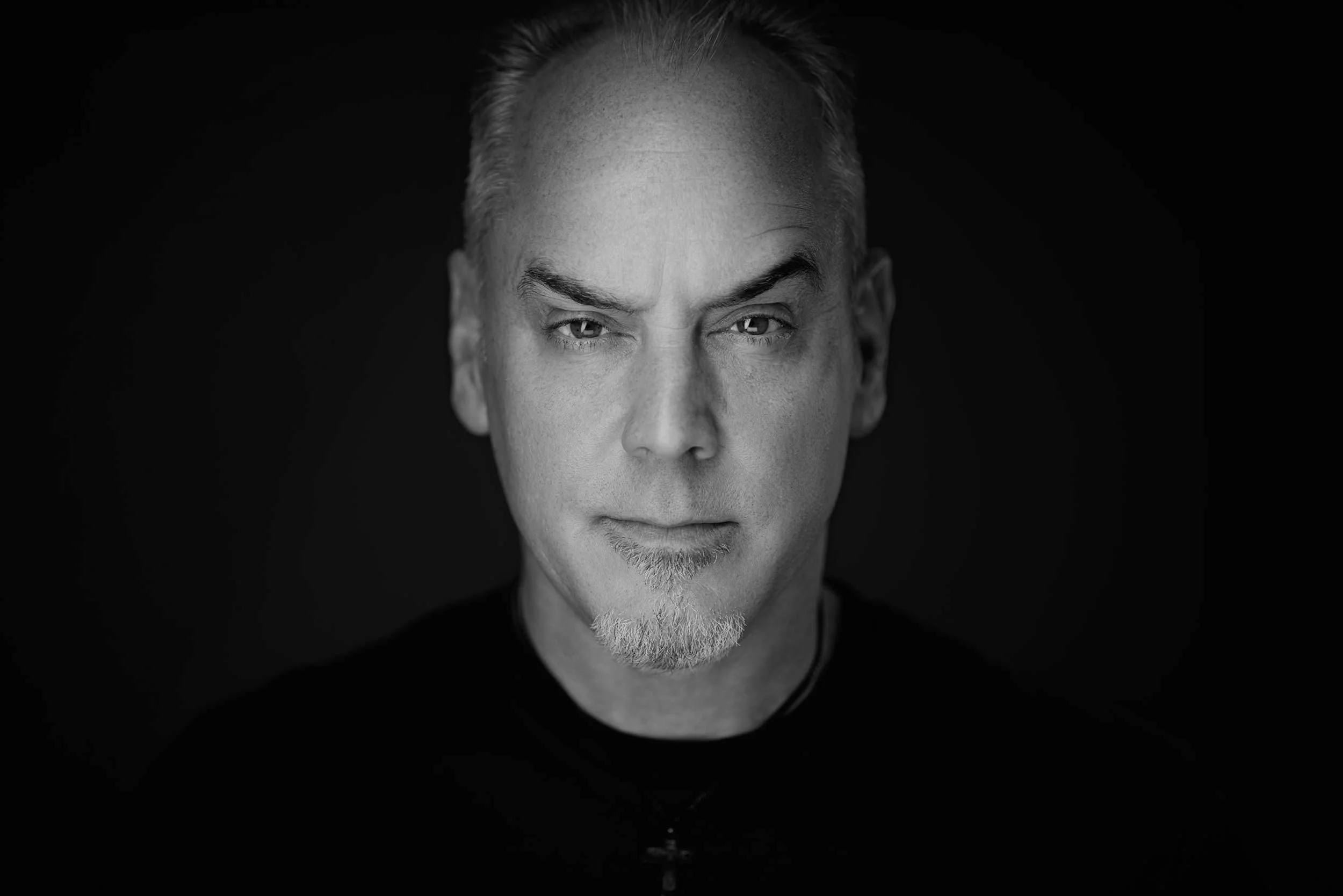
David McNaney is the founder and lead photographer at Chicago High-End Headshots, where he helps professionals show up as their most confident, competent, and authentic selves through expression coaching and modern, high-end imagery.
But beyond the camera, David is a husband, father, and mental health advocate. He believes in showing up fully for his clients, his family, and anyone who might need a little extra belief in themselves. Whether he’s guiding a client through a vulnerable on-camera moment or supporting his daughters in their bold, compassionate journeys, David is driven by a quiet mission: coaching people into a more empowered version of how they see themselves, and how they’re seen.
He’s not just building a photography business. He’s trying to make a small, meaningful dent in the universe; for good.