Why Most Professionals Look Uncomfortable in Headshots: What Removes the Tension
Most uncomfortable headshots aren’t caused by bad lighting, the wrong angle, or a lack of confidence.
They’re caused by uncertainty.
The moment a camera is pointed at someone without guidance, a quiet question shows up:
What am I supposed to be doing right now?
That question alone is enough to change how someone looks on camera. Not because they’re insecure, but because they’re trying to figure it out in real time.
The Real Issue Isn’t Confidence. It’s Guessing.
When professionals say they “look uncomfortable” in headshots, they’re rarely talking about something obvious.
What they’re reacting to is subtle:
Eyes that feel tense or overly alert
Smiles that don’t quite connect
Jaw tension that changes facial shape
Posture that looks stiff instead of present
None of this is intentional.
It’s the visual result of guessing instead of being guided.
Why This Is So Common for Capable Professionals
Ironically, the more capable and self-aware someone is, the more likely this shows up.guided
Professionals are trained to:
Read situations
Adjust behavior
Self-monitor
Improve performance
A traditional headshot session asks them to do the opposite; be natural, without explaining what that actually means.
So they think. They try. They hold expressions. They assess themselves. The camera captures effort instead of ease.
What Changes When Coaching Is Present
Coaching doesn’t add performance. It removes uncertainty. Facial expression coaching focuses on helping confidence, approachability, and presence show up naturally on camera; rather than forcing expression or performance.
When someone is guided, several things shift quickly:
Presence replaces tension
Clear direction allows the body and face to settle naturally.
The eyes soften
Confidence reads through the eyes long before it shows up in a smile.
Expression becomes believable
Instead of “holding a look,” the subject simply shows up.
Posture supports confidence
Small adjustments create strength and attentiveness without posing.
That guidance is built into every individual headshot session, so clients never feel like they’re left to guess what the camera needs.
Why Comfort Isn’t Something You Fake
One of the most common reactions during a guided session is surprise.
Clients see an image and say:
“I didn’t realize I could look that comfortable.”
Comfort isn’t about personality. It’s about clarity.
When expectations are clear and guidance is present, the face relaxes. The eyes settle. The image finally feels like the person others recognize.
This Isn’t a Personal Issue
If you’ve never liked a professional photo of yourself, it’s easy to assume the problem is you.
It isn’t.
Discomfort in headshots is a process problem, not a personality flaw. When guidance replaces guessing, the camera stops feeling like a test, and starts feeling like a conversation.
How This Connects to a Structured Experience
A comfortable headshot isn’t an accident. It’s the result of a guided process that prioritizes presence over performance.
That’s why your session isn’t rushed, silent, or transactional. It’s designed to help confidence read naturally without forcing expression or energy that doesn’t belong to you.
Final Thought
You don’t need to become someone else for the camera. You don’t need to “fix” your face or learn how to smile. You need a process that removes uncertainty and lets who you already are show up clearly. That’s when discomfort disappears, and confidence becomes visible.
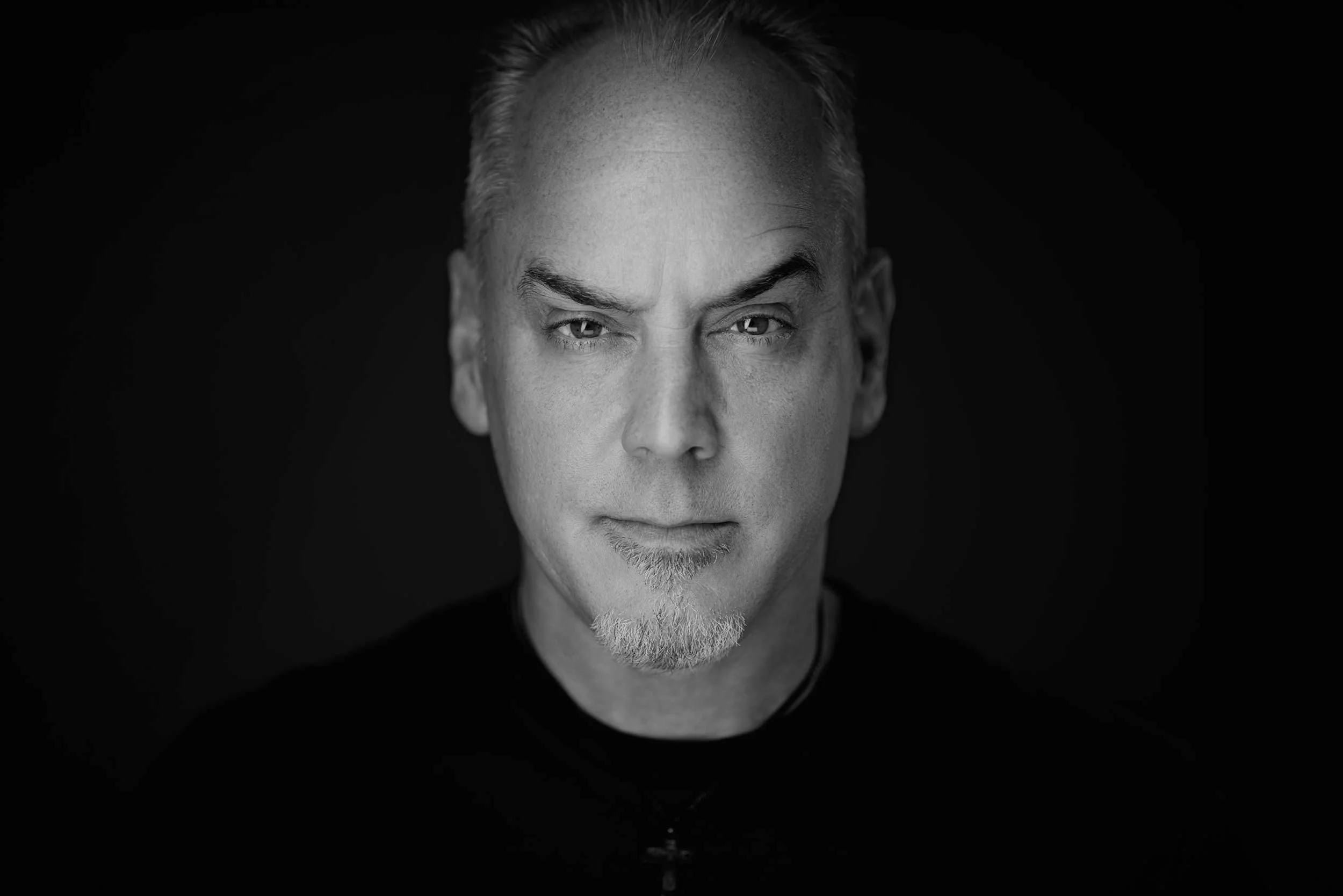
David McNaney is the founder and lead photographer at Chicago High-End Headshots, where he helps professionals show up as their most confident, competent, and authentic selves through expression coaching and modern, high-end imagery.
But beyond the camera, David is a husband, father, and mental health advocate. He believes in showing up fully for his clients, his family, and anyone who might need a little extra belief in themselves. Whether he’s guiding a client through a vulnerable on-camera moment or supporting his daughters in their bold, compassionate journeys, David is driven by a quiet mission: coaching people into a more empowered version of how they see themselves, and how they’re seen.
He’s not just building a photography business. He’s trying to make a small, meaningful dent in the universe; for good.