You’re Not Unphotogenic: Why Guidance Makes the Difference
Most professionals don’t dislike being photographed because they look bad. They dislike it because no one has ever guided them. They’ve been told to “just relax,”“smile naturally,” or “turn slightly this way”, and then left alone with a camera pointed at their face. For people who are thoughtful, self-aware, and high-performing, that experience almost guarantees discomfort.
That doesn’t mean you’re unphotogenic. It means you’re uncoached.
Why “Unphotogenic” Is the Wrong Diagnosis
When professionals say they’re not photogenic, what they’re usually describing is this:
They feel tense the moment the camera comes out
They don’t know what their face is doing
They’re trying to control the outcome
They’re judging themselves in real time
This isn’t insecurity. It’s self-awareness without guidance.
Highly capable people are often the hardest on themselves in front of a camera because they’re used to thinking, adjusting, and refining. Photography, however, rewards presence; not effort.
Without coaching, that effort shows up as:
Tight expressions
Forced smiles
Eyes that look uncertain or disconnected
The camera doesn’t capture who you are. It captures what you’re doing in that moment.
Why Traditional Headshot Sessions Fall Short
Most headshot sessions focus on technical elements:
Lighting
Background
Lens choice
Wardrobe guidance
Those matter, but they don’t address the main problem.
Very few photographers actively guide:
Facial tension
Expression cues
Eye engagement
Posture and presence
So clients are left guessing. And when someone is guessing, the camera records uncertainty.
What Coaching Actually Changes
Facial expression coaching focuses on helping confidence, approachability, and presence show up naturally on camera; rather than forcing a pose or expression. Instead of trying to “perform” for the camera, clients are guided into a more natural, grounded state.
Here’s what changes when coaching is present:
The eyes settle
Confidence doesn’t come from smiling harder. It comes from calm, engaged eyes. Coaching helps avoid expressions that feel strained, overly wide, or disconnected.
Facial tension releases
Jaw tension, tight lips, and micro-expressions soften when someone feels guided instead of evaluated.
Posture supports presence
Small adjustments in posture immediately change how confident and attentive someone appears without feeling posed.
Expression becomes believable
Instead of “holding a look,” clients simply show up, and the camera reflects that.
That guidance is built into every individual headshot session, so clients never feel like they’re guessing in front of the camera.
Why Seeing Yourself Relaxed Can Feel Strange
There’s an interesting moment that happens during coached sessions.
Clients see an image and say:
“That doesn’t look like me… but it actually does.”
What they’re reacting to isn’t inauthenticity. It’s unfamiliarity.
Most people aren’t used to seeing themselves:
Calm
Confident
At ease
Fully present
Especially in professional images. Polished doesn’t mean fake. Authentic doesn’t mean casual.
Coaching helps align those two ideas so the image finally feels right.
Who This Matters Most For
This experience is especially valuable for:
Professionals who have avoided updating their headshot
Leaders stepping into new roles or visibility
People who consistently dislike photos of themselves
Anyone who wants their image to feel aligned with who they are, not who they think they’re supposed to be
You don’t need to learn how to smile. You don’t need to “fix your face.”
You need guidance.
What a Coached Experience Feels Like
For many clients, simply understanding what a coached headshot experience actually feels like removes the anxiety altogether.
Instead of silence and rapid-fire photos:
You’re guided moment by moment
You receive calm, clear feedback
You see images as you go and adjust naturally
The session feels collaborative, not performative
Explore the Headshot Journey to see how the experience unfolds from start to finish.
Final Thought
If you’ve ever believed you’re not photogenic, consider this:
The problem was never you.
It was the lack of coaching.
When presence replaces performance, people stop bracing for the camera, and start recognizing themselves in the image.
Learn what a coached headshot experience feels like … step by step.
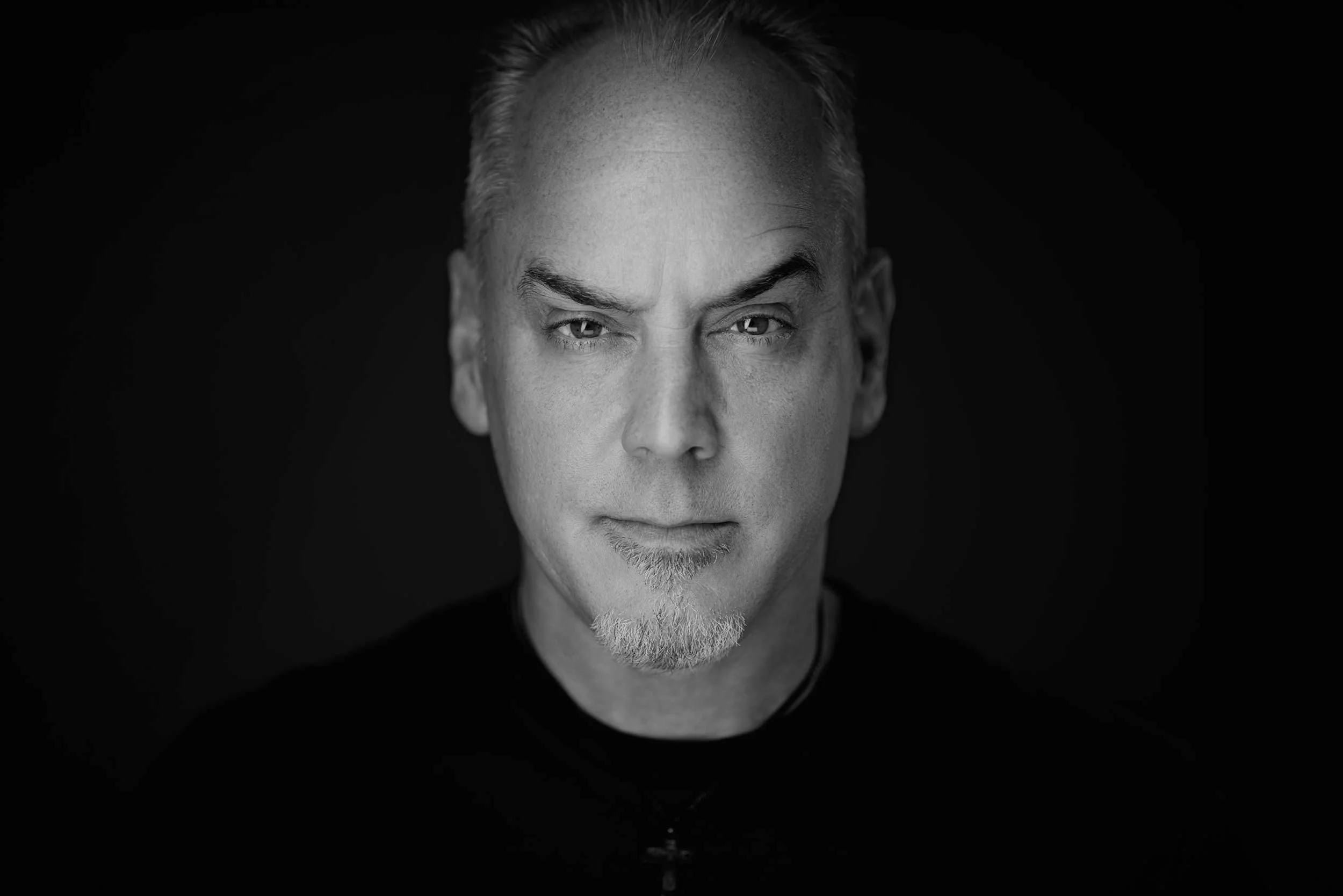
David McNaney is the founder and lead photographer at Chicago High-End Headshots, where he helps professionals show up as their most confident, competent, and authentic selves through expression coaching and modern, high-end imagery.
But beyond the camera, David is a husband, father, and mental health advocate. He believes in showing up fully for his clients, his family, and anyone who might need a little extra belief in themselves. Whether he’s guiding a client through a vulnerable on-camera moment or supporting his daughters in their bold, compassionate journeys, David is driven by a quiet mission: coaching people into a more empowered version of how they see themselves, and how they’re seen.
He’s not just building a photography business. He’s trying to make a small, meaningful dent in the universe; for good.