The Difference Between “Posing” and Being Coached in a Headshot Session
Why Many People Expect to Be Posed
When most people imagine a headshot session, they picture a photographer directing them into a series of poses.
Tilt your head slightly. Turn your shoulders. Smile.
Those directions can help create structure in an image, but they don’t necessarily address the most important part of a headshot.
Expression.
A technically correct pose can still produce a photograph that feels stiff, guarded, or disconnected.
The Real Difference Is Presence
The difference between posing and coaching isn’t subtle. Posing focuses on physical positioning. Coaching focuses on how someone shows up in the moment. Both may involve small adjustments to posture or angle, but coaching extends beyond those mechanics. It helps the subject feel comfortable enough that their natural confidence begins to show.
That difference is often visible within the first few frames.
Why Professionals Often Feel Uncomfortable During Posed Sessions
Professionals are used to environments where communication flows naturally. Conversation, collaboration, leadership; these situations allow people to express themselves without thinking about their body language.
A traditional posed session interrupts that rhythm. The subject is asked to hold expressions while remaining aware of the camera and lighting. Even confident professionals can begin to feel self-conscious. That self-awareness often appears as stiffness or hesitation in the image.
What Coaching Changes in the Experience
Coaching doesn’t eliminate direction. Instead, it reframes it.
Rather than focusing on poses, the photographer guides the subject toward expressions that feel natural and aligned with how they want to be perceived. Several shifts occur during a coached session:
Conversation replaces performance. Dialogue keeps the subject engaged rather than self-monitoring.
Expression evolves naturally. Instead of holding a pose, the subject responds organically.
Posture supports presence. Subtle adjustments help communicate confidence without feeling forced.
This approach is described more fully in our article on facial expression coaching for professional headshots.
Why This Approach Feels Different to Clients
Many clients arrive expecting a traditional photography experience. They anticipate standing still while someone adjusts their position and captures a few frames. But when the process becomes conversational and collaborative, the session begins to feel different. The subject stops thinking about the camera. Instead, they focus on the interaction and guidance in front of them. That shift often produces expressions that feel more authentic and confident.
How This Fits Into a Structured Headshot Process
A successful headshot session balances technical expertise with human guidance. Lighting, composition, and background all matter. But expression ultimately determines how the image is perceived. That’s why each individual headshot session is designed to include facial expression coaching throughout the process.
Rather than posing clients and hoping the right moment appears, the session actively guides that moment into existence.
Final Thought
You don’t need to learn how to pose to create a strong headshot. What matters most is feeling comfortable enough for your natural confidence to appear. When the session environment supports that experience, expression becomes effortless, and the resulting image feels authentic.
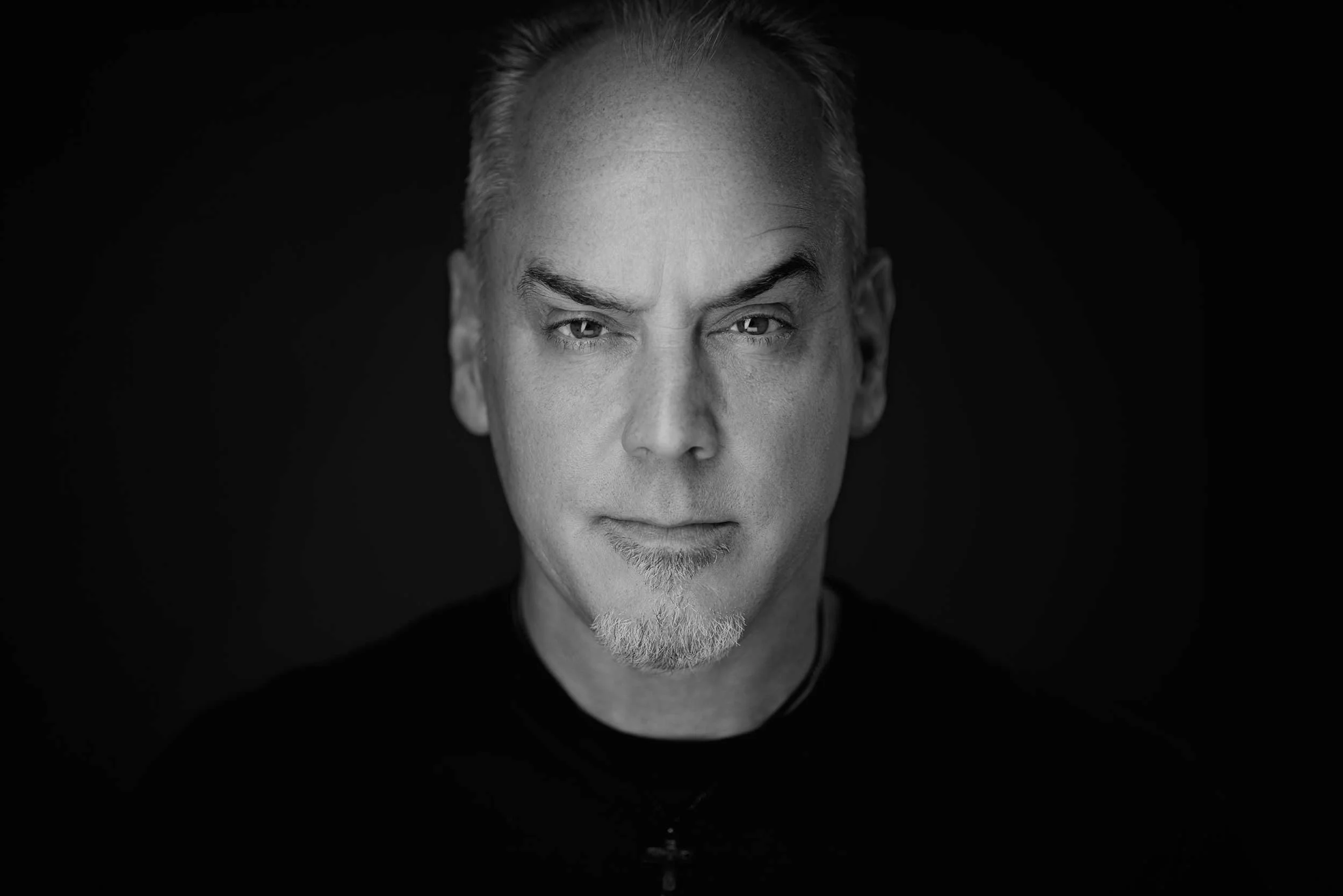
David McNaney is the founder and lead photographer at Chicago High-End Headshots, where he helps professionals show up as their most confident, competent, and authentic selves through expression coaching and modern, high-end imagery.
But beyond the camera, David is a husband, father, and mental health advocate. He believes in showing up fully for his clients, his family, and anyone who might need a little extra belief in themselves. Whether he’s guiding a client through a vulnerable on-camera moment or supporting his daughters in their bold, compassionate journeys, David is driven by a quiet mission: coaching people into a more empowered version of how they see themselves, and how they’re seen.
He’s not just building a photography business. He’s trying to make a small, meaningful dent in the universe; for good.