Why Your Eyes Matter More Than Your Smile in a Professional Headshot
Most People Focus on the Wrong Thing
When professionals prepare for a headshot session, the advice they hear most often sounds familiar.
“Just smile.”
“Relax.”
“Look natural.”
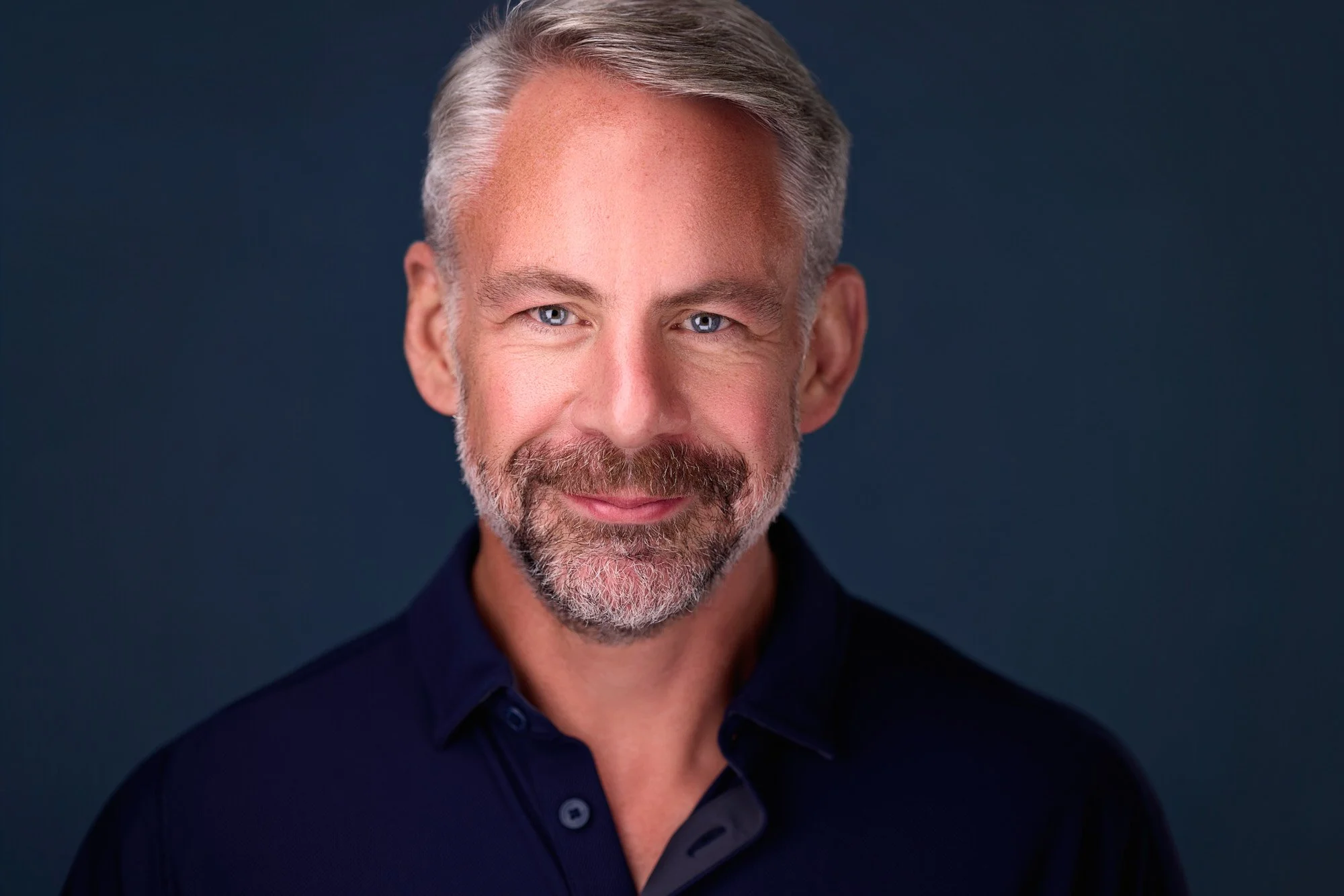
Because of this, many people assume the success of a headshot depends almost entirely on the smile. But when people respond positively to a headshot, it’s rarely because of the smile alone. What they notice first, often subconsciously is the eyes. Before someone processes a smile, they are already reading confidence, attentiveness, and presence through the eyes.
The Real Signal of Confidence Appears in the Eyes
A smile can communicate warmth. But the eyes communicate credibility. If the eyes feel overly wide, the expression can appear uncertain. If they narrow too much, the person may look guarded or disengaged. And if the eyes appear disconnected from the rest of the expression, even a strong smile can feel forced.
People may not consciously identify these details, but they instinctively respond to them. The eyes tell the viewer whether someone feels grounded, present, and comfortable in the moment.
Why Professionals Often Overthink Their Smile
Professionals are accustomed to preparing carefully for important moments. Interviews, presentations, leadership conversations; each of these situations invites intentional communication. But headshot sessions are different.
The moment the camera appears, many people begin thinking about how they should look.
They adjust their smile.
They try to appear confident.
They hold expressions longer than they naturally would.
The result isn’t necessarily a bad image. But it can feel slightly tense or controlled. That tension often appears first in the eyes.
What Facial Expression Coaching Changes
Facial expression coaching shifts the focus away from “smiling correctly.” Instead, it begins with helping the eyes settle. When someone feels grounded and present, the rest of the expression naturally follows.
During a guided session, several things begin to happen:
The eyes become calmer. Confidence often reads through a settled gaze rather than an exaggerated expression.
Expression becomes connected. When the eyes and smile align naturally, the image feels believable.
The subject stops performing. Instead of holding a smile, the person simply responds to conversation and direction.
This is one reason facial expression coaching focuses heavily on how the eyes communicate presence during a session.
For a deeper explanation of how this approach works, see our article on facial expression coaching for professional headshots.
Why This Often Surprises Clients
Many clients assume the goal of a headshot session is to find the “perfect smile.” During a guided session, they often discover something different.
The strongest images frequently appear when the expression feels calm rather than exaggerated. The smile is present, but it isn’t the dominant feature. Instead, the eyes communicate attentiveness, confidence, and openness.
That balance is what makes an image feel authentic.
How This Connects to a Structured Headshot Experience
Strong expressions rarely appear by accident. They emerge when the session environment removes uncertainty and allows the subject to focus on simply being present. That’s why expression coaching is integrated into every individual headshot session. Rather than asking clients to guess how they look on camera, the process provides real-time guidance that helps confidence register naturally.
Final Thought
You don’t need a perfect smile to create a strong professional headshot. What matters most is whether the image feels present, calm, and credible. When the eyes communicate those qualities clearly, the rest of the expression falls into place. That’s when a headshot stops looking like a photograph, and starts feeling like a person.
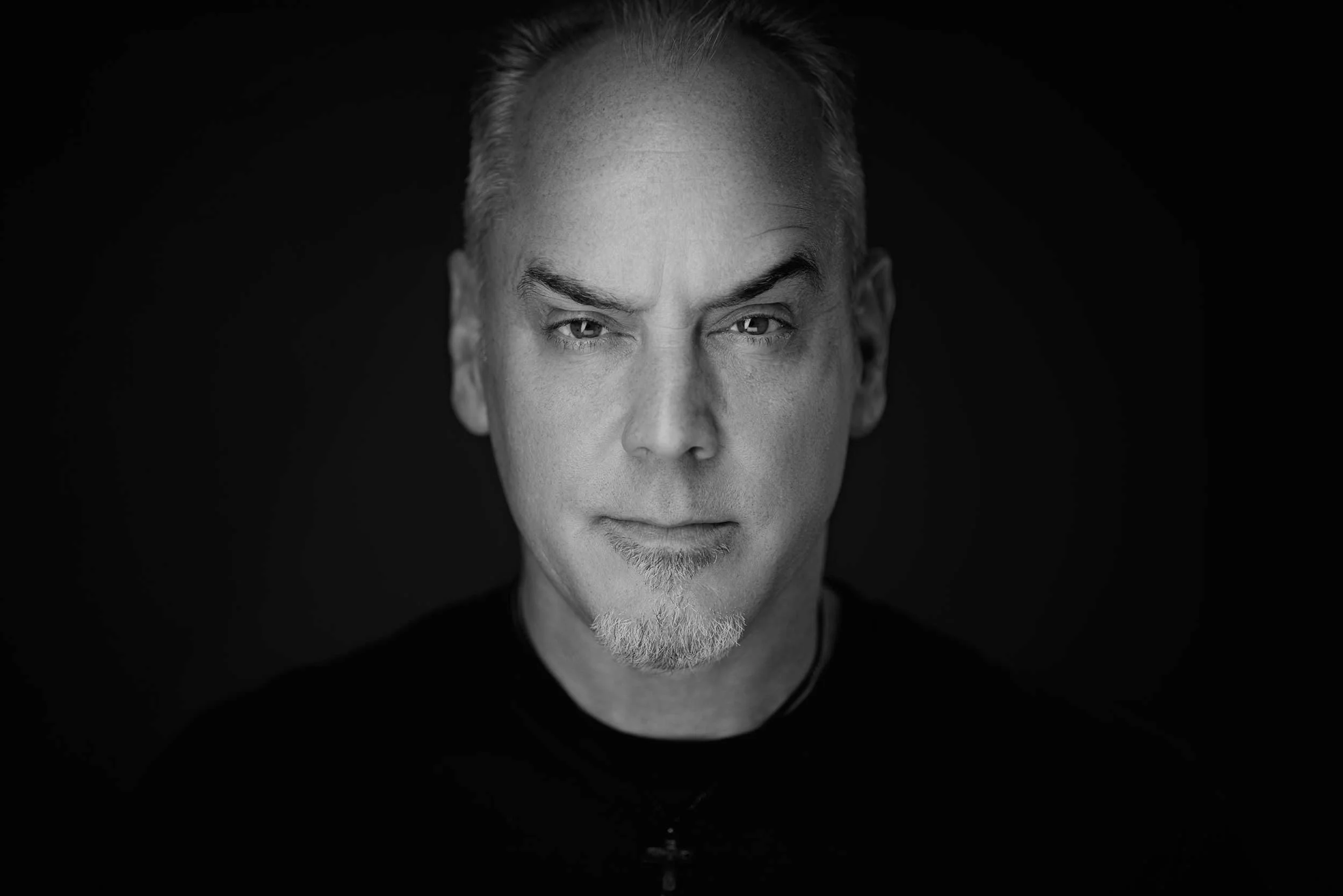
David McNaney is the founder and lead photographer at Chicago High-End Headshots, where he helps professionals show up as their most confident, competent, and authentic selves through expression coaching and modern, high-end imagery.
But beyond the camera, David is a husband, father, and mental health advocate. He believes in showing up fully for his clients, his family, and anyone who might need a little extra belief in themselves. Whether he’s guiding a client through a vulnerable on-camera moment or supporting his daughters in their bold, compassionate journeys, David is driven by a quiet mission: coaching people into a more empowered version of how they see themselves, and how they’re seen.
He’s not just building a photography business. He’s trying to make a small, meaningful dent in the universe; for good.